Why Rice Is Important – A Complete Guide to Health, Nutrition & Daily Life
Rice is one of the most essential staple foods in the world and plays a powerful role in shaping the diet, culture, and economy of millions of families. Understanding why rice is important helps us appreciate how this simple grain supports daily nutrition, delivers energy, strengthens communities, and sustains global food supply. Whether it is served as steamed rice, biryani, idli, dosa batter, parboiled rice or broken rice, rice continues to be one of the most reliable and nutritious foods ever known to humans.
Rice has been consumed for thousands of years, especially in Asian countries like India, China, Japan, and Indonesia. In India, rice is not just food — it is tradition, culture, livelihood, and the base of every celebration. From festivals to everyday meals, rice acts as the foundation. This blog will help you deeply understand why rice is important for nutrition, health, agriculture, social life, and economic growth.
Why Rice Is Important for Nutrition, Health & Energy
One of the biggest reasons why rice is important is its outstanding nutritional value. Rice is rich in carbohydrates, which work as the body’s primary source of energy. Carbohydrates help the brain function properly, support muscle movement, and keep your body active throughout the day. Many nutritionists recommend rice as part of a balanced diet because it supports energy levels without causing heaviness or discomfort.
Rice is naturally gluten-free, making it safe for people with gluten intolerance or digestive issues. It is also easy to digest, which is why doctors advise rice-based foods for children, senior citizens, and people recovering from illness. This easy digestibility is another big reason why rice is important for millions across the world.
Rice varieties such as RNR rice, Sona Masuri rice, parboiled rice, and steamed rice offer different nutrition profiles but all share one thing in common — they provide stable, clean energy without side effects.
Rice as a Rich Source of Vitamins & Minerals
When we explore why rice is important, we must understand the essential nutrients it provides. Rice contains vitamins like B1 (Thiamine), B3 (Niacin), and B6 (Pyridoxine). These vitamins help improve metabolism, support brain function, and increase muscle strength. Minerals such as magnesium, manganese, iron, phosphorus, and selenium also make rice nutritionally powerful.
These nutrients are essential for:
- Healthy red blood cell production
- Strong bones and joints
- Better metabolism
- Lower stress levels
- Healthy nervous system function
This rich nutrition profile clearly explains why rice is important in daily life and why it is recommended across all age groups.
Why Rice Is Important for Indian Culture & Daily Food Habits
India is one of the world’s largest consumers and producers of rice. Rice plays a central role in Indian food culture. Every state has its unique rice-based dishes — biryani, idli, dosa, pongal, khichdi, pulao, lemon rice, curd rice, tamarind rice, and more.
Families prefer rice because:
- It is versatile
- It suits vegetarian and non-vegetarian meals
- It cooks quickly
- It is tasty and satisfying
- It supports long working hours by providing energy
Rice is the heart of Indian cuisine — festivals, temples, weddings, and celebrations all include rice as an offering or a main dish. This cultural connection further proves why rice is important at both emotional and nutritional levels.
Economic Importance – Why Rice Is Important for Farmers & Businesses
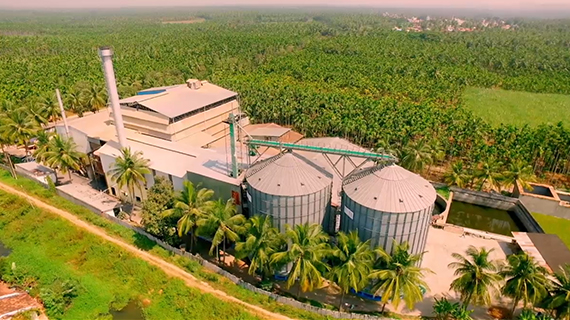
Millions of farmers in India depend on rice farming for their livelihood. Rice fields support rural employment, village development, and agricultural growth. Rice mills play a major role in processing, polishing, packaging, and distributing rice across the country.
By understanding why rice is important economically, we see how it impacts the following sectors:
- Farming and agriculture
- Transport and logistics
- Milling and packaging industries
- Local markets and retail shops
- Export businesses
- Hotel and restaurant industry
Rice is not just food — it is a major economic engine in India and several Asian countries. Without rice, millions of families would lose their primary source of income.
Why Rice Is Important for Global Food Security
As the world population grows, the demand for stable, affordable, reliable food increases. Rice is one of the best crops for global food security because it:
- Grows in different climates
- Produces high yield
- Has long shelf life
- Is affordable
- Is easy to transport and store
Over 50% of the global population depends on rice for daily meals, particularly in Asia and Africa. Therefore, why rice is important becomes clear — it is the backbone of global food systems, ensuring that millions never go hungry.
Health Benefits – Why Rice Is Important for a Balanced Diet
Here are more reasons why rice is important for daily health:
⭐ Easy to digest
Rice is gentle on the stomach and helps those with acidity, stomach pain, or digestive issues.
⭐ Boosts energy
Carbohydrates provide long-lasting energy needed for work, exercise, and daily tasks.
⭐ Helps maintain body weight
Rice keeps you full for longer and helps avoid overeating.
⭐ Supports muscle growth
Rice contains amino acids and minerals that support muscle development.
⭐ Enhances immunity
Vitamins and minerals in rice support immunity and fight infections.
⭐ Naturally low in fat
Perfect for a healthy, low-fat daily diet.
Popular Varieties of Rice and Their Importance
Different regions prefer different rice varieties based on taste, aroma, and texture. Every type helps highlight why rice is important in diverse diets.
🍚 RNR Parboiled Rice
Lightweight, fluffy, and nutritious — ideal for daily meals.
🍚 Sona Masuri Rice
Soft, aromatic, perfect for South Indian dishes.
🍚 Broken Rice
Affordable, nutritious, widely used in households and food industries.
🍚 Parboiled Rice
Rich in nutrients because the vitamins are absorbed during boiling.
Each variety has a unique role, proving yet again why rice is important for every household and rice mill business.
Environmental Contribution – Why Rice Is Important for Sustainability
Rice cultivation supports biodiversity and environmental balance. Paddy fields act as mini-ecosystems that support:
- Soil fertility
- Groundwater recharge
- Plant and animal life
- Climate balance
Sustainable rice farming also helps reduce carbon emissions and supports the environment.
Final Conclusion – Why Rice Is Important in Everyday Life
After understanding its nutritional, cultural, economic, and environmental value, it becomes very clear why rice is important in our daily lives. It provides energy, improves health, supports millions of families, and connects generations through food and culture. Rice will continue to be one of the most essential foods for India and the world for decades to come.